Mangoberry: A Cute Handwritten Font That Makes Every Product Feel Special
There’s something magical about a typeface that feels like a friend wrote it just for you. Mangoberry is exactly that—a warm, expressive handwritten font that turns ordinary product labels, invitations, and packaging into keepsake-worthy pieces. It’s not just another script font; it’s a genuine burst of personality that whispers charm and shouts creativity. For sellers who put their hearts into their handmade goods, this font bridges the gap between personal craft and polished brand identity.
What Makes Mangoberry Feel So Unique
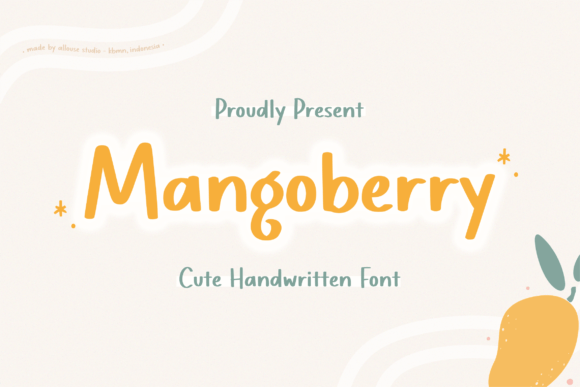
Mangoberry carries a soft, cheerful rhythm. Its letterforms flow with a natural bounce, reminiscent of handwritten notes passed between friends. The strokes are playful without being messy, offering just the right amount of organic inconsistency to feel human-made. Unlike rigid typefaces, this one breathes. The lowercase characters have a sweet, rounded energy, while the capitals rise with gentle confidence. It’s a handwritten font that doesn’t sacrifice readability for style—an essential balance for any display font used on merchandise.
What truly sets it apart is how it captures light. The thin and thick transitions feel like ink from a quality pen gliding across smooth paper. That tactile sensation translates directly into digital designs, making it an excellent creative font for both screen and print. When I first installed Mangoberry, I immediately pictured it on a kraft paper label, on a baby shower invitation, or stamped across a bridesmaid proposal card. It has that rare ability to soften a message while keeping it bold enough to grab attention.
Practical Magic for Handmade Sellers and Craft Creators
I’ve spent years designing for my own small shop, and I know the struggle: you need a font that looks stunning on a tiny jewelry tag but also holds its charm blown up on a 16x20 welcome sign. Mangoberry delivers both. Whether you’re a printable creator, a sticker designer, or someone who sells custom tumblers, this typeface adapts gracefully. Let me walk you through how it shines across real-world applications.
Labels, Tags, and Small-Scale Branding
Product labels are often the first thing a customer touches. Mangoberry gives them an instant emotional hook. For candle labels, soap packaging, or honey jar tags, the handwritten style communicates “made with care” louder than any marketing copy. The font scales down surprisingly well for small text on round sticker sheets, though I recommend keeping it at least 12pt for intricate cuts on a Cricut or Silhouette. For delicate details like ingredient lists, pair it with a clean sans serif font for contrast.
I’ve also used Mangoberry for boutique clothing hang tags. The organic letterforms complement soft fabrics and artisan aesthetics perfectly. When printed on textured cardstock and tied with twine, the result feels like a high-end, small-batch treasure. That perceived quality often justifies a higher price point.
Invitations and Event Stationery
Wedding invitation suites thrive on personality, and Mangoberry fills that role beautifully. Use it for the couple’s names in a flowing arch across the top of a vellum overlay. Add swashes if the font includes them—they create an elegant, airy feel that mimics modern calligraphy without the steep learning curve. For bridal shower invites or birthday party cards, Mangoberry carries a joyful, celebratory tone. It’s legible enough for essential details like dates and venues, though I prefer to reserve it for highlight phrases and let a clean serif font handle the bulk of the body text.
Printable Wall Art and Home Décor
One of my favorite uses is in digital downloads for nursery prints, farmhouse signs, and kitchen art. Phrases like “You are my sunshine” or “Gather here with grateful hearts” take on new life in Mangoberry. The font’s natural, friendly curves warm up a space instantly. When creating SVG files for framed signs, I’ve found that welding the letters just slightly through Cricut Design Space improves cut consistency while preserving that hand-lettered feel. Always test a small sample first, especially if you’re cutting on wood or textured acrylic.
For wedding welcome boards or seating charts, this font becomes a statement piece. The large-scale display style draws guests in, setting a romantic mood from the moment they walk through the door. The emotional appeal is undeniable—it feels bespoke, not off-the-shelf.
Product Packaging That Sells Itself
If you sell on Etsy or at craft fairs, unboxing is part of your product. Mangoberry on a tissue paper sticker, a thank-you note, or a belly band transforms routine packaging into an experience. I’ve watched customers share unboxing videos simply because the packaging looked so charming. That’s free marketing built on thoughtful design choices. For seasonal packaging—Christmas cookie boxes, Valentine’s Day treat bags, Mother’s Day gift sets—the font adds a timely, heartfelt layer without needing complicated artwork.
Social Media Graphics and Digital Marketing
Even in the digital space, Mangoberry holds its own. Use it for quote overlays on Instagram posts, Pinterest pins, or story templates. The handwritten style stops the scroll because it feels personal, not like a stock advertisement. For small business owners, this means higher engagement and a brand identity that feels approachable. I often pair it with a muted background photo and a subtle drop shadow to make the text pop while keeping the overall aesthetic soft and cohesive.
Readability Tips for Crafters and Cutting Machines
Handwritten fonts can be tricky when used on physical products, especially at small sizes. With Mangoberry, I’ve learned a few tricks that save material and frustration. First, always preview your design at actual print size. What looks clear on a 27-inch monitor might blur on a 2-inch sticker. Second, for vinyl cutting, choose a high-quality blade and slow the speed down on intricate loops or connectors. If the font includes alternate characters or ligatures, experiment with them—sometimes a slightly simpler letterform cuts cleaner.
On printed cards, coated paper can cause thinner strokes to fill in. I recommend uncoated or matte stock to preserve the font’s fine detail. For mockup previews in your shop listings, use a high-resolution PNG with managed kerning; it helps customers visualize the end product accurately and reduces quality disputes.
Pairing Mangoberry with Other Typefaces
A font pairing can make or break a design. Because Mangoberry is expressive and organic, it pairs best with structured typefaces that provide quiet support. A sans serif font with a neutral, geometric backbone—like a clean open-source option—lets the handwritten style shine without visual chaos. For a more classic, editorial look, try pairing it with a light serif font that echoes the thin strokes. This combination works beautifully for magazine-style layouts (think megazine spreads) or sophisticated branding projects.
I avoid pairing Mangoberry with other highly decorative scripts. Two competing display fonts can overwhelm the eye. Instead, let Mangoberry be the star, and choose a supporting typeface that handles body text, subheadings, or footnotes with quiet elegance.
Commercial Use and Licensing—What You Need to Know
For anyone selling physical products, templates, or digital downloads, commercial licensing is non-negotiable. Always check the specific terms that come with Mangoberry. Most commercial font licenses cover physical goods like mugs, shirts, and tote bags, but digital distribution—such as selling editable templates or SVG designs embedded with the font—may require an extended license. I keep a folder with saved license files for each font I use in my shop, just in case a platform requires proof.
If Mangoberry includes multilingual support, that opens doors to international sales. I’ve made wedding signs and invitations in French, Spanish, and German using extended character sets, greatly expanding my customer base. Always verify the character map includes accented letters, special punctuation, and numerals before committing to a multilingual design.
Beyond the Product: Building a Cohesive Brand Voice
Consistency ties your entire product line together. Mangoberry can serve as a signature creative font across your logo design, packaging, social media graphics, and website. When customers recognize your brand’s handwriting, they trust it. I’ve seen small shops grow a loyal following simply because their aesthetic felt unmistakably theirs. This font’s personality—cute but not childish, polished but not sterile—makes it versatile enough for a range of brand archetypes, from whimsical bakeries to rustic florists.
When designing a logo design, I test the font in one-color applications first. Mangoberry’s charm holds without fancy gradients or effects, which means it reproduces well on screens, stamps, and embroidered patches alike. That versatility reduces production headaches down the line.
Sustainability and Timelessness in a Trend-Driven Market
Handwritten fonts can sometimes feel tied to a fleeting trend, but Mangoberry’s style is rooted in classic hand-lettering rather than a specific era’s fad. The gentle, rounded shapes evoke a timeless sweetness that works for weddings in any season, baby announcements years apart, and holiday collections that never go out of style. Investing in a premium font with this kind of staying power means less time re-branding and more time creating.
For print-on-demand sellers, this is especially valuable. A design listed today might still sell two years from now if it doesn’t scream last year’s typography trend. Mangoberry occupies that sweet spot where it feels current yet enduring.
Real Moments Where Mangoberry Transforms a Product
- A birthday invitation where the birthday child’s name dances in Mangoberry across the top, making every guest feel personally invited.
- A candle label for a “Warm Vanilla & Cozy Nights” scent that makes customers reach for the jar on a stressful evening.
- A wedding welcome sign set on an easel, greeting guests with a gentle, hand-lettered warmth that mirrors the couple’s story.
- A printable wall art piece for a classroom, reminding little learners that “Mistakes help us grow,” in the most comforting font.
- A holiday sticker sheet full of tiny tags that read “Happy Holidays” and “Made with Love,” sealing gift bags with genuine feeling.
These touches don’t require advanced design skills. They require a font that already carries the emotion, and Mangoberry does exactly that.
Making the Most of Included Features
Always explore what’s inside the font file. If Mangoberry includes alternates, ligatures, or swashes, use them generously—they provide that custom calligraphy feel without manual adjustments. OpenType features often unlock multiple versions of certain letters, letting you avoid repetition that can break the hand-lettered illusion. Test the font in your design software’s glyphs panel to uncover hidden gems. Sometimes a different “e” or a flourished “t” is all it takes to elevate a design from sweet to stunning.
File formats matter too. OTF files often include more advanced typographic features than TTF, though both work well for most craft software. Ensure the font installs correctly on both your design computer and any mobile apps you use for quick social media edits.
Embracing the Handwritten Revival in Modern Typography
We’re living in a time where authenticity sells. People crave connection, and a handwritten font like Mangoberry provides that in pixels and ink. It’s a quiet rebellion against overly sterile design. For crafters, this means your work resonates deeper. A script font this genuine doesn’t just decorate; it communicates care, time, and human spirit. That’s the intangible element customers notice, even if they can’t name it.
Incorporating Mangoberry into your design assets library is an investment in emotional design. Whether you’re printing labels at midnight for a market the next day or designing a wedding suite that will be framed for decades, the right typeface makes all the difference. This one is ready to be that difference.